Browse Items
165 results for “talk”
Screen Presence Workshop -- Less Is Everything
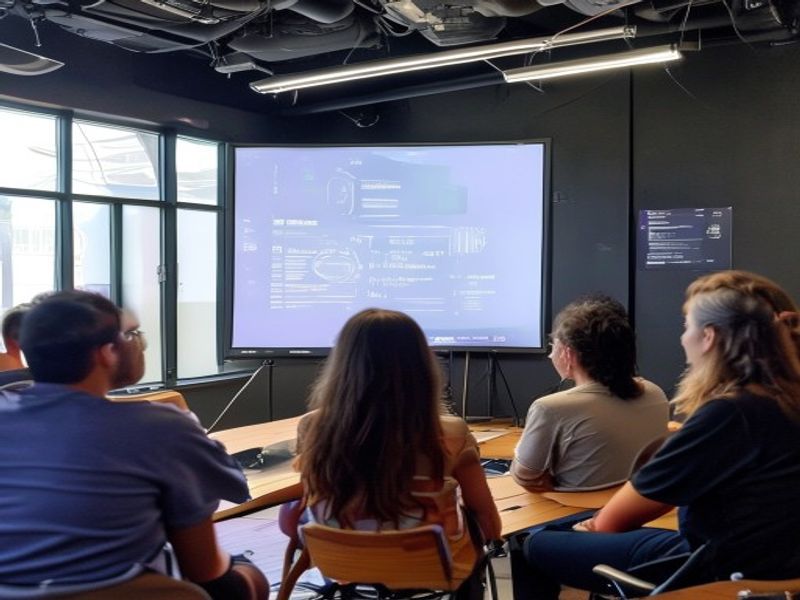
I teach you what Billy Wilder taught me: the camera sees everything you're thinking. You don't need to show it -- you need to FEEL it. We work on stillness, listening, and the art of the reaction shot. Tip: Most young actors try to DO too much. Stop doing. Start being.


Ballet Fundamentals for Actors -- Grace in Motion
Four positions, posture, and how to walk like you own the room. I studied ballet to be a dancer, but it made me an actress. Every movement on screen is a dance -- even sitting down. Sonia Gaskell would say: the spine tells the story.
Chess Set (Tournament Grade Staunton)
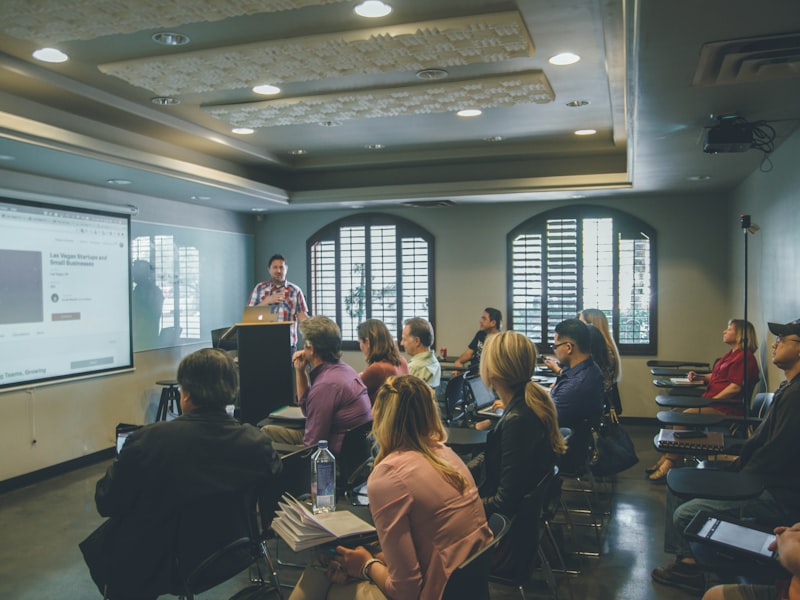
I played chess on every set I ever worked on. Between takes, between scenes, during lunch. It teaches you to think three moves ahead -- exactly what an actor needs. This is a regulation Staunton set with a roll-up vinyl board. I'll play you a game if you rent it.


Commanding the Room -- Presence and Dignity on Screen
I teach you to walk into a scene and own it without raising your voice or clenching your fist. Power isn't volume. It's stillness when everyone else is shouting. We work on posture, eye contact, and the silence between words. Tip: Before you say your first line, stand still for three seconds. Let the audience come to you.


Samurai Armor Set (Reproduction Do, Kabuto, Menpo)
Full reproduction samurai armor: chest plate (do), helmet (kabuto), and face guard (menpo). I wore gear like this in Throne of Blood and Samurai Trilogy. It changes how you stand, walk, and breathe. Tip: Wear it for an hour before filming -- let your body adapt so the armor disappears.


Suspense Filmmaking Masterclass -- The Bomb Under the Table
I'll teach you to terrify an audience without showing them anything. We study the shower scene in Psycho (70 cuts, no knife-on-skin contact), the crop duster in North by Northwest (silence is scarier than music), and the dinner party in Rope (one continuous take). Tip: Always give the audience more information than the characters have. That's where suspense lives.


35mm Film Camera (Arriflex IIC)
The same model I used for Paths of Glory and Spartacus. Pin-registered gate, crystal sync motor. This camera taught me everything about exposure, framing, and the cost of mistakes (film stock isn't cheap). Comes with three prime lenses: 25mm, 50mm, and 85mm.


Chess Strategy Session (Tournament Level)
I played chess in Washington Square Park for money as a teenager. It taught me to think five moves ahead -- which is exactly what directing is. We play and I teach you to see patterns. Tip: In chess and filmmaking, the opening determines everything. Control the center early.
Deep Focus Cinematography Workshop -- Everything in Focus at Once
Gregg Toland taught me this for Citizen Kane: keep the foreground AND background sharp. It forces the audience to choose where to look -- and that choice IS the story. We study lens selection, lighting for depth, and staging in three dimensions. Tip: When everything is in focus, composition becomes your only guide.


Magic & Misdirection Workshop -- The Art of Deception
I performed magic my entire life -- for troops in WWII, on talk shows, and between takes on set. Magic teaches you about attention, misdirection, and the willingness of people to believe. Every filmmaker is a magician. We learn card magic, cups and balls, and the psychology behind why people see what you want them to see.
Kung Fu Comedy Workshop -- Fighting and Falling with Style
I'll teach you to take a hit, sell a fall, and make the audience laugh while you're in pain. We use chairs, ladders, and tables as props -- everything in the room is a weapon and a punchline. Tip: Always show the whole body. Wide shots let the audience see the skill. Close-ups are for actors who can't fight.

Minimalist Film Directing Workshop -- Two Takes and Print
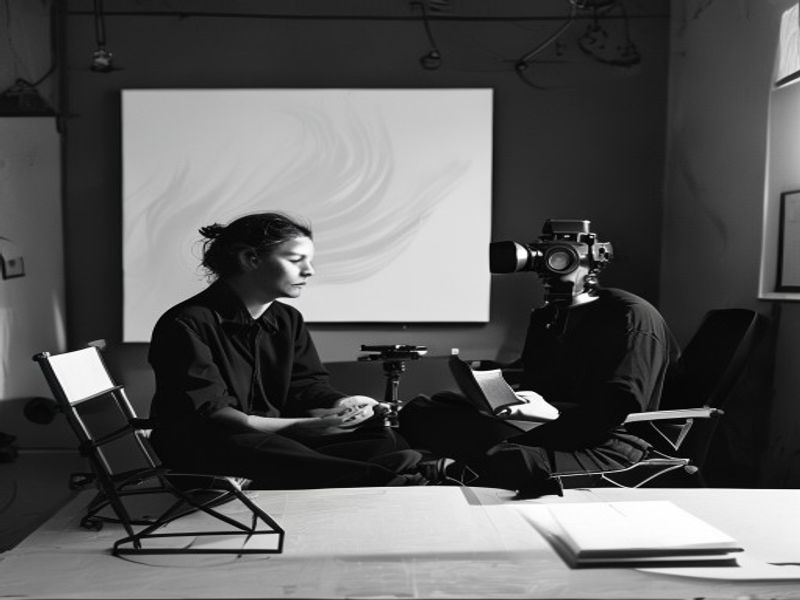
I direct fast and quiet. No yelling, no ego, no fiftieth take. We shoot a short scene with available light, two cameras, and maximum two takes per setup. Tip: Trust your actors. Hire good people and get out of their way. The director's job is to create an environment where the truth can happen.

85-96 of 165 items (page 8 of 14)