Browse Items
489 results for “food”
Autobiography Collection (The Measure of a Man + This Life)
Both my memoirs. The Measure of a Man won the Grammy for spoken word. This Life tells the full story -- Cat Island, the tomato fields, dishwashing in Harlem, and every role that mattered. Read them in order.


Samurai Screen Combat Workshop -- The Way of the Blade
Katana work for film. Proper draw, strike, and resheath. We use bokken (wooden swords) first, then move to iaito (blunt steel). I'll teach you the difference between real kenjutsu and what looks good on camera. Kurosawa insisted on realism -- the audience can feel a fake swing. Tip: Speed comes from relaxation, not tension.

Bokken Set (Oak Practice Swords, Pair)
Two red oak bokken -- standard katana length. These are the training weapons I used before every Kurosawa film. They teach you distance, timing, and respect for the blade. Tip: If you're gripping too tight, you're already losing.

Samurai Armor Set (Reproduction Do, Kabuto, Menpo)
Full reproduction samurai armor: chest plate (do), helmet (kabuto), and face guard (menpo). I wore gear like this in Throne of Blood and Samurai Trilogy. It changes how you stand, walk, and breathe. Tip: Wear it for an hour before filming -- let your body adapt so the armor disappears.

Film Directing Masterclass -- Composing with the Camera
I teach directing the way I learned painting -- through composition. Where is the eye drawn? What is the relationship between foreground and background? We use storyboards, not shot lists. Every frame should be a painting that moves. Tip: Use multiple cameras. Actors perform differently when they don't know which camera is live.


Storyboard Workshop -- Drawing Your Film Before You Shoot
I painted full-color storyboards for every scene in my later films -- Kagemusha, Ran, Dreams. They're works of art on their own. You don't need to be a great painter. You need to THINK visually. We work with watercolors and ink. Bring your script and we'll draw your film.
Film Editing Workshop -- The Invisible Art
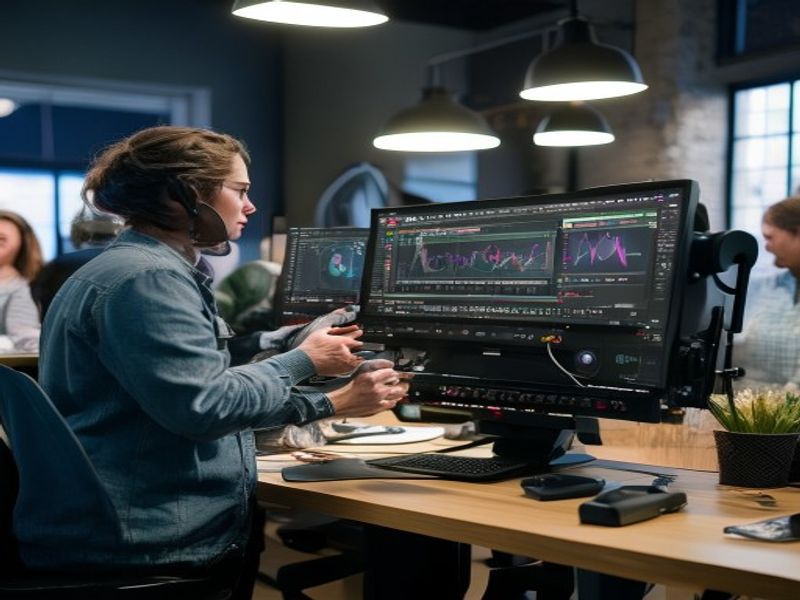
Editing is where the film is truly made. I'll show you how a two-second cut changes everything -- mood, pace, meaning. We work with actual footage. I cut on a Moviola for forty years. Digital is faster but the principles are eternal: rhythm, contrast, surprise. Tip: The best cut is the one the audience doesn't notice.
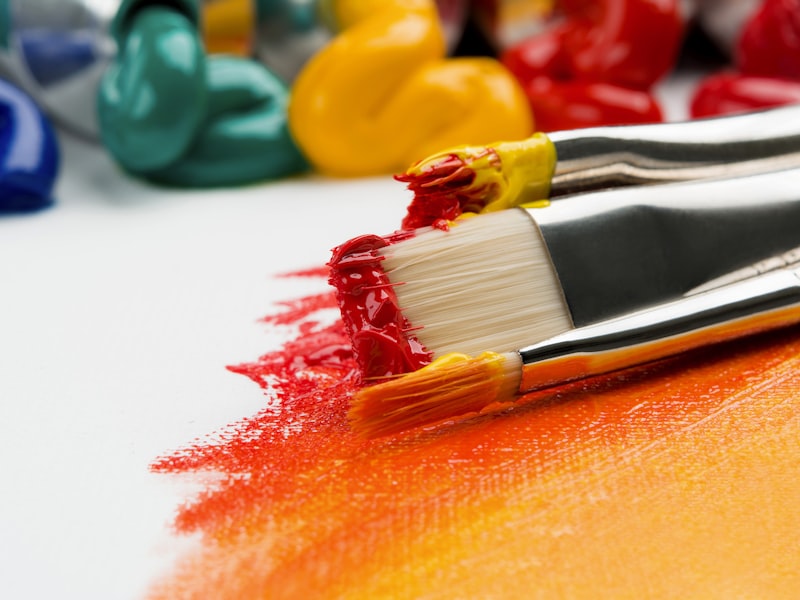
Watercolor & Ink Set (Kurosawa's Storyboard Kit)
Professional watercolor set, sumi ink, and 50 sheets of storyboard paper with the frame templates I used. This is the exact setup for the Ran storyboards now in museums. Tip: Use big brushes. Small brushes make you fussy. Cinema is bold.

Storyboard & Shot Planning Workshop
I planned every frame before we rolled camera. By the time we shot, the film was already made -- the set was just a formality. We'll storyboard a five-minute suspense sequence from your script. Every shot has a PURPOSE. If it doesn't build tension, cut it.


Film Score Analysis Workshop -- Music as Fear
Bernard Herrmann wrote the Psycho strings, the Vertigo spirals, and the North by Northwest overture. Without his music, my films are half as terrifying. We study how music creates dread, release, and the false sense of safety. Tip: The scariest sound in cinema is silence followed by a single note.
MacGuffin Writing Kit (Plot Device Workshop Materials)
Cards, prompts, and exercises for creating compelling plot devices. The MacGuffin is the thing the characters care about but the audience doesn't -- it's the excuse for the story, not the story itself. The Maltese Falcon is a MacGuffin. The uranium in Notorious is a MacGuffin. The real story is always about people.
35mm Film Camera (Arriflex IIC)
The same model I used for Paths of Glory and Spartacus. Pin-registered gate, crystal sync motor. This camera taught me everything about exposure, framing, and the cost of mistakes (film stock isn't cheap). Comes with three prime lenses: 25mm, 50mm, and 85mm.
253-264 of 489 items (page 22 of 41)