Browse Items
340 results for “ai”

Trench Coat & Fedora (Screen-Accurate Casablanca Set)
Aquascutum trench coat and Borsalino fedora. The exact combination I wore as Rick Blaine. Tip: A costume isn't what the character wears -- it's what the character would choose to wear. Rick chose armor that looks like elegance.

Vintage Pin-Up Photography Lighting Kit
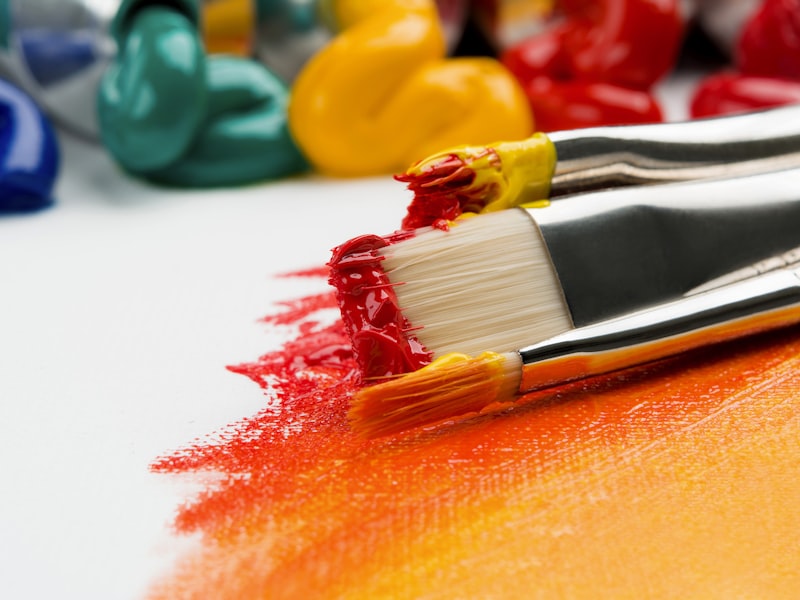
Three-point lighting setup from the golden age of Hollywood glamour. Key light, fill light, backlight, plus a butterfly diffuser for that soft, luminous look. This is how they shot me, Garbo, and Dietrich. Tip: The backlight is the secret -- it separates you from the background and makes your hair glow.


Commanding the Room -- Presence and Dignity on Screen
I teach you to walk into a scene and own it without raising your voice or clenching your fist. Power isn't volume. It's stillness when everyone else is shouting. We work on posture, eye contact, and the silence between words. Tip: Before you say your first line, stand still for three seconds. Let the audience come to you.


Samurai Screen Combat Workshop -- The Way of the Blade
Katana work for film. Proper draw, strike, and resheath. We use bokken (wooden swords) first, then move to iaito (blunt steel). I'll teach you the difference between real kenjutsu and what looks good on camera. Kurosawa insisted on realism -- the audience can feel a fake swing. Tip: Speed comes from relaxation, not tension.

Bokken Set (Oak Practice Swords, Pair)
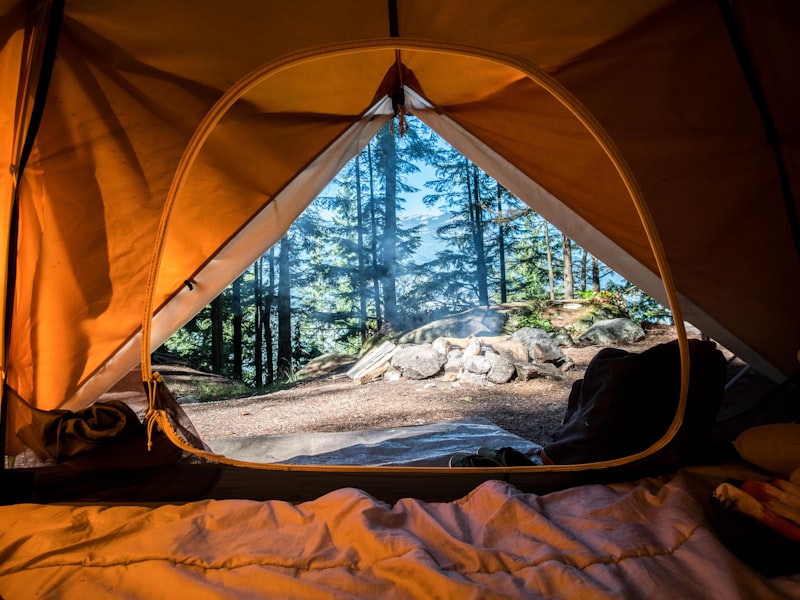
Two red oak bokken -- standard katana length. These are the training weapons I used before every Kurosawa film. They teach you distance, timing, and respect for the blade. Tip: If you're gripping too tight, you're already losing.

Samurai Armor Set (Reproduction Do, Kabuto, Menpo)
Full reproduction samurai armor: chest plate (do), helmet (kabuto), and face guard (menpo). I wore gear like this in Throne of Blood and Samurai Trilogy. It changes how you stand, walk, and breathe. Tip: Wear it for an hour before filming -- let your body adapt so the armor disappears.
Japanese Film History Screening & Discussion
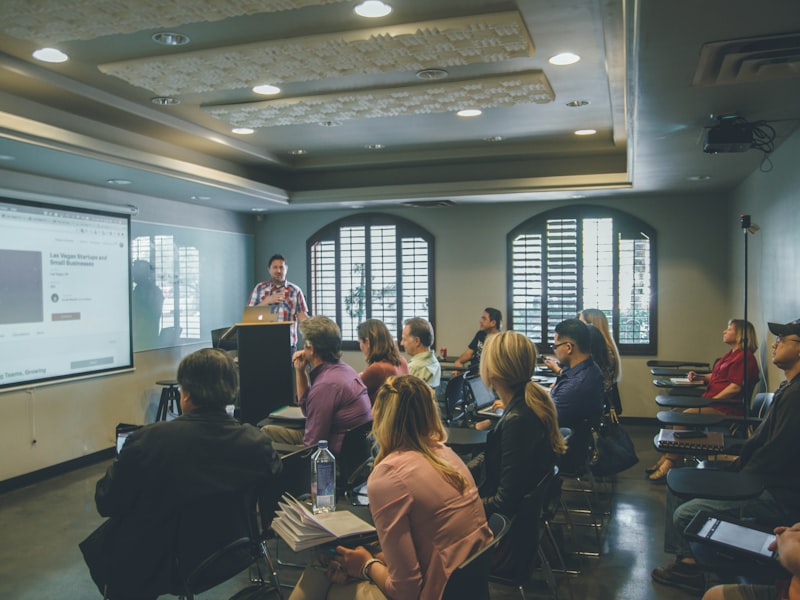
We watch one of my films with Kurosawa -- Rashomon, Seven Samurai, Yojimbo, or Ikiru -- and I break down every choice. Camera placement, performance decisions, what was improvised, what was argued about. Small group, max 8. Bring sake or tea.
Film Directing Masterclass -- Composing with the Camera
I teach directing the way I learned painting -- through composition. Where is the eye drawn? What is the relationship between foreground and background? We use storyboards, not shot lists. Every frame should be a painting that moves. Tip: Use multiple cameras. Actors perform differently when they don't know which camera is live.


Storyboard Workshop -- Drawing Your Film Before You Shoot
I painted full-color storyboards for every scene in my later films -- Kagemusha, Ran, Dreams. They're works of art on their own. You don't need to be a great painter. You need to THINK visually. We work with watercolors and ink. Bring your script and we'll draw your film.
Dramatic Intensity Workshop -- Eyes That Burn Through the Screen
I teach you to hold a close-up. Most actors blink, shift, fidget. Stop. Be STILL. Let the camera come to your eyes and STAY there. We do exercises in sustained intensity -- thirty seconds of pure emotion without a word. Tip: If you can't hold a close-up for ten seconds, you're not ready for film.

Playing the Villain -- Making Evil Magnetic
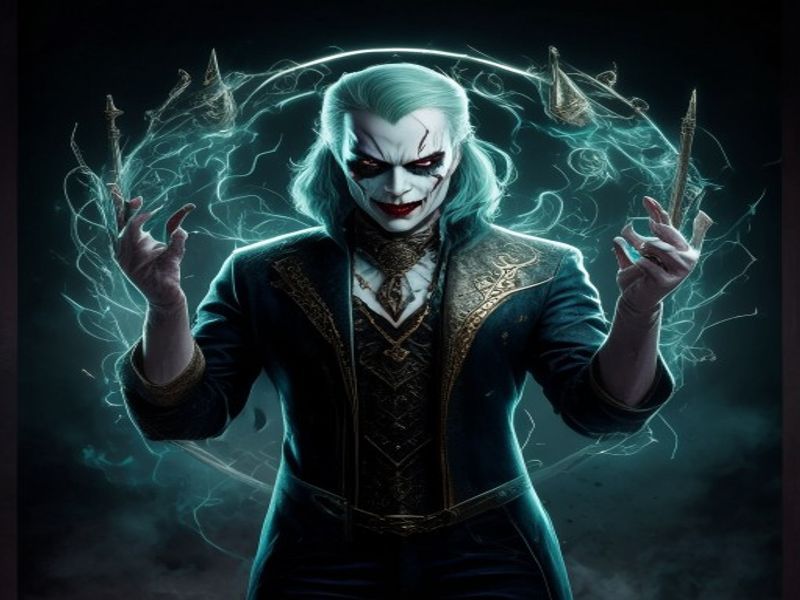
My best roles were women the audience shouldn't root for -- and did anyway. Margo Channing, Baby Jane Hudson, Regina Giddens. The secret? Villains believe they're the hero. Play their conviction, not their cruelty. We build three-dimensional antagonists in this workshop.
Golden Age Hollywood Costume Jewelry Collection
Rhinestone brooches, chandelier earrings, cocktail rings -- all screen-used replicas from the 1940s-1960s era. Each piece tells a story about the character who wore it. Borrow for period shoots, photo sessions, or just feeling dangerous.
181-192 of 340 items (page 16 of 29)